
Golf Injuries and TPI Screening: How to Swing Pain-Free
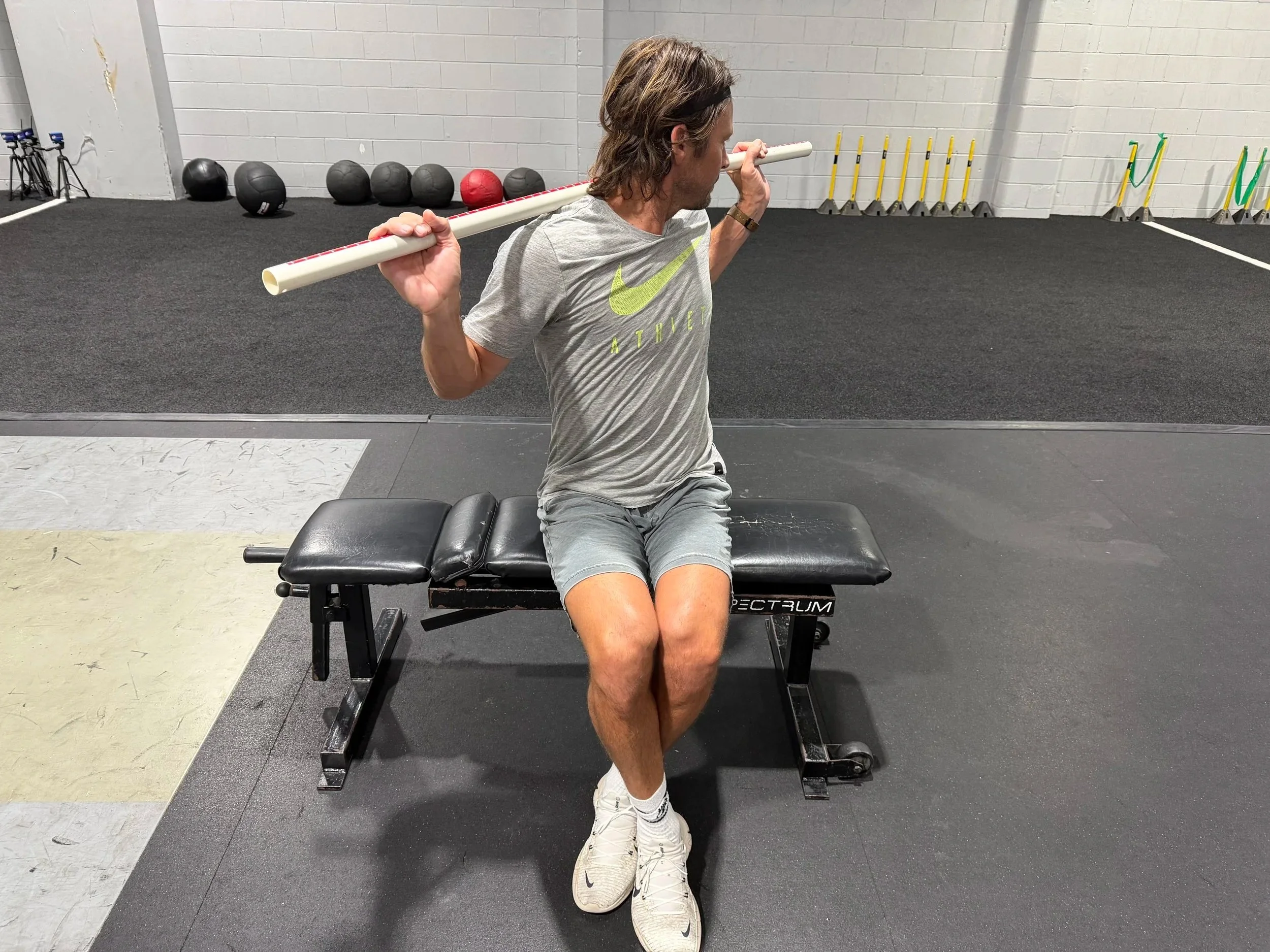
Golf doesn't look like a high-impact sport from the outside, but ask any golfer with a bad back, sore elbow, or aching hip and they'll tell you a different story. The golf swing puts repetitive, asymmetrical stress on your spine, hips, and shoulders — and over time, that adds up. At J Sports Rehab, we work with golfers across Orlando, Winter Park, and Winter Springs who are dealing with exactly this kind of pain, and one of our most valuable tools for helping them is TPI screening.
What Is TPI Screening?
TPI stands for Titleist Performance Institute, and it's the gold standard in golf-specific movement assessment. A TPI screening looks at how your body moves — your hip rotation, shoulder mobility, posture, balance, and core stability — and identifies which physical limitations might be affecting your swing or putting you at risk for injury.
The key idea behind TPI is simple: your swing is a reflection of what your body can and can't do. If you're missing hip rotation, your low back often compensates, which is a common source of golf-related back pain. If your shoulders are tight, your swing mechanics shift in ways that can overload your elbow or wrist. A TPI screening helps pinpoint exactly where those limitations are coming from.
Common Golf Injuries We Treat
Low back pain and stiffness, often the most common complaint among golfers
Golfer's elbow (medial epicondylitis)
Shoulder pain and impingement
Hip tightness or pain, especially on the lead side
Wrist pain from repetitive impact
How TPI Screening Fits Into Your Treatment
A TPI screening isn't just for elite or competitive golfers. Weekend golfers and older adults who want to keep playing pain-free benefit just as much, since it identifies the specific mobility or stability gaps causing the problem, rather than just treating the symptom.
Once we know what's limiting your swing or causing your pain, we build a one-on-one physical therapy plan around it. That might mean improving hip rotation, building rotational core stability, or restoring shoulder mobility, depending on what your screening shows. Because every session at J Sports Rehab is one-on-one with our physical therapists, your plan stays tailored to your body and your swing as you progress.
Ready to Fix the Root Cause?
If golf-related pain has been holding back your game, or you simply want to move better on the course, a TPI screening is a great place to start. Contact J Sports Rehab to schedule your evaluation in Orlando or Winter Springs.