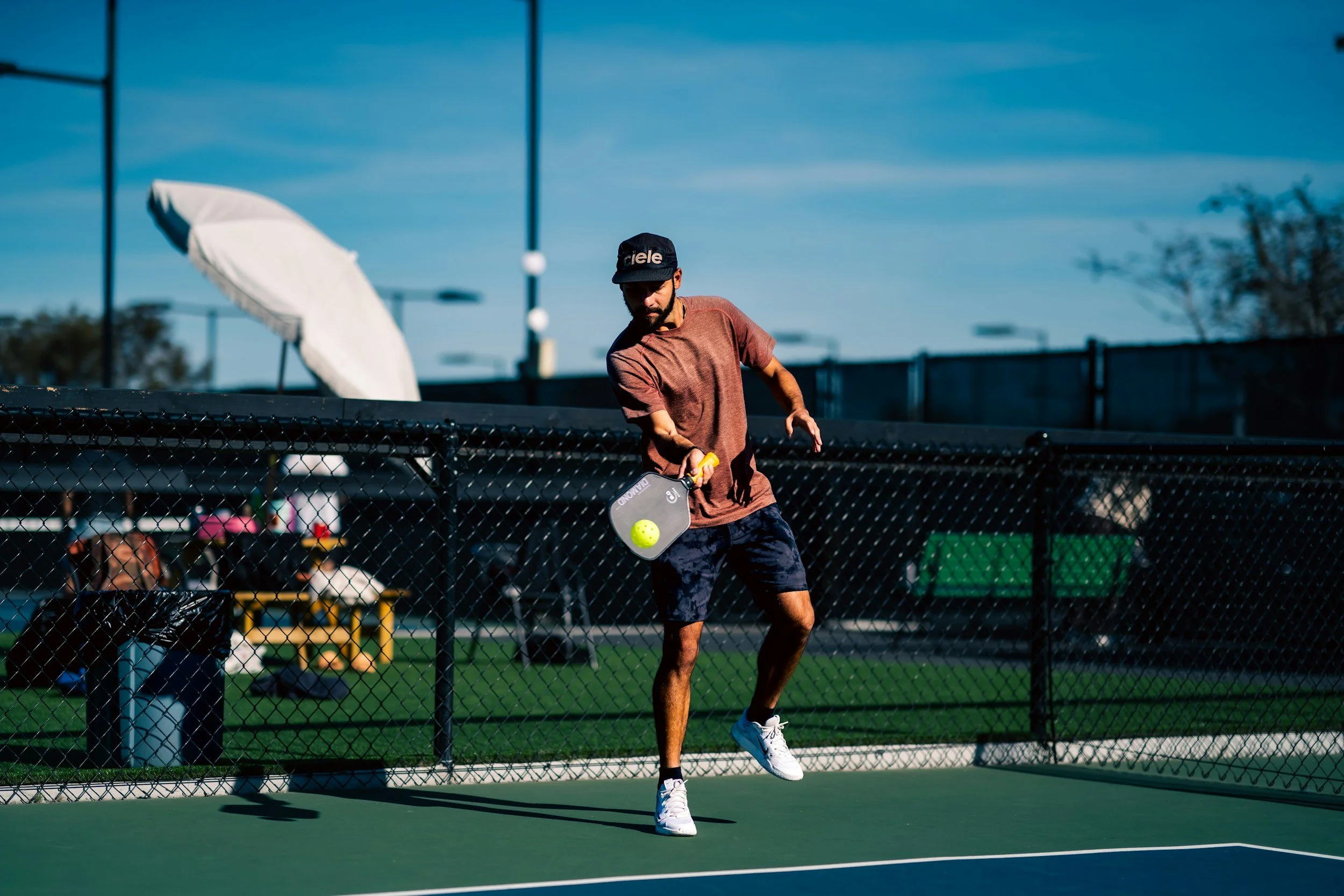
Pickleball has exploded in popularity in recent years, drawing players from all age groups and fitness levels. While it’s a fun way to stay active and social, the sport does carry a notable risk of injury — especially for certain age groups and competitive levels. Understanding the statistics and common injury trends can help players stay safer and enjoy the game for years to come.
Why Injury Risk Is Rising
Pickleball-related injuries in the United States have increased substantially over the last decade as more people take up the sport. From 2013 to 2022, the number of pickleball injuries presenting to U.S. emergency departments jumped dramatically, with tens of thousands of players seeking care each year. In 2022 alone, about 13,690 pickleball-related injuries were estimated in U.S. emergency departments — a dramatic rise compared with earlier years.
PMC

Research also shows injury numbers increased sharply during the pandemic years, likely due to more people playing recreational sports and expanding participation across age groups.
Who Is Getting Hurt?
One of the most consistent findings in pickleball injury data is the age distribution of players who get injured:
A large majority of pickleball injuries occur in players aged 50 and older, with some studies finding that 87–90% of emergency room visits for pickleball injuries involve adults over 50.
National injury surveillance data also show that most injury cases occur in players between 60 and 79 years old, reflecting both the popularity of pickleball among older adults and age-related physical risks.
It’s worth noting that while older players tend to represent the highest numbers of injuries, middle-aged and younger adult players still face significant risk, especially if playing frequently or without proper preparation. One study found injury prevalence ranged from nearly 50% in younger adults (18-32 years) to over 77% in 48-62-year-olds.
What Types of Injuries Are Most Common?
1. Acute injuries
– Fractures and falls are surprisingly common, especially among older players. Several injury datasets report fractures making up around 27-30% of pickleball injuries, particularly wrist and upper extremity fractures.
2. Soft-tissue injuries
– Sprains, strains, and muscle injuries are also frequent, particularly involving the legs and ankles — likely due to quick lateral movements and sudden stops typical of pickleball play.
Other injury types include shoulder and elbow issues (“pickleball elbow”), Achilles and knee injuries, and even eye injuries — with over 1,200 pickleball-related eye injuries reported in one recent study.
Why These Injuries Happen:
Injury risks in pickleball aren’t random — they stem from a combination of factors:
Sudden and multi-directional movements: Quick lateral shuffles and abrupt stops can stress joints and soft tissue.
Falls: Loss of balance or unexpected slips are very common, especially on uneven surfaces or in older adults.
Repetitive motion: Repeated swings and cutting movements can overload muscles and tendons over time.
Lack of preparation: Many players skip adequate warm-ups, strength work, or mobility training — increasing risk.
These factors underscore why proper physical preparation and recovery are essential for pickleball longevity.
Average Player Age Matters
Although specific national surveys vary, pickleball’s player base has been trending younger as the sport spreads. According to industry reports, millions of Americans now play pickleball — and the average player age has been reported in the mid-30s, reflecting its growing appeal beyond traditional “senior sport” demographics.
However, even when the average age includes many younger players, injury risk remains disproportionately high among older adults, largely due to age-related changes in balance, bone density, and muscle strength.
What This Means for You
Pickleball can be an excellent way to stay fit and active at any age. At the same time, awareness of injury risk is critical. Knowing the trends — such as higher injury rates in older players and common fracture and sprain patterns — helps players and clinicians alike make smarter training choices.

Physical therapists can play a key role in injury prevention and recovery, focusing on:
Strength and balance training
Movement mechanics and injury reduction strategies
Warm-up, cool-down, and recovery protocols
If you experience pain during or after pickleball play, or if you want a personalized training plan to reduce your injury risk, consider consulting a sports-focused physical therapist — especially before symptoms become more serious.