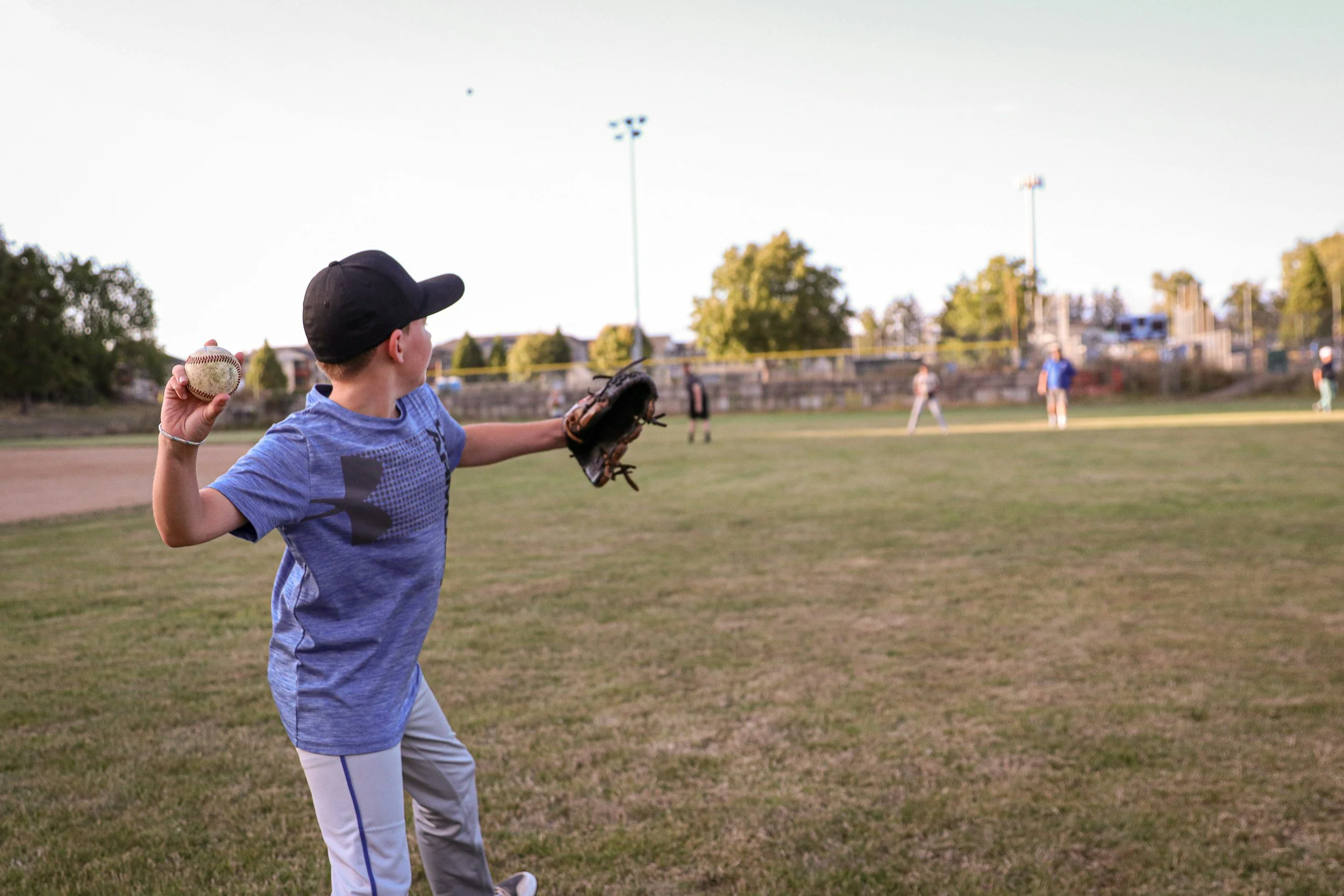
Baseball is one of the most popular youth sports, but the repetitive stress of throwing can place significant demands on a growing athlete's body. Two of the most common overuse injuries seen in young baseball players are Little League Shoulder and Little League Elbow.
Who Gets These Injuries?
Little League Shoulder and Elbow most commonly affect baseball players between the ages of 8 and 16, particularly pitchers and athletes who play multiple positions requiring frequent throwing. Because growth plates are still open during these years, young athletes are more susceptible to stress-related injuries than adult players.
What Causes Them?
Both conditions develop from repetitive throwing stress over time.
Little League Shoulder involves irritation of the growth plate in the upper arm bone (humerus) near the shoulder.
Little League Elbow involves stress to the growth plate and soft tissues on the inside of the elbow.
Common contributing factors include:
Excessive pitch counts
Playing on multiple teams simultaneously
Throwing year-round without adequate rest
Poor throwing mechanics
Weakness or mobility deficits in the shoulder, core, hips, and lower body
Returning to throwing too quickly after soreness or injury
How Can These Injuries Be Prevented?
Follow Pitch Count Guidelines
One of the most effective ways to reduce injury risk is adhering to age-appropriate pitch count recommendations and required rest days. Monitoring total throwing volume—not just pitches during games—is critical.
Focus on Proper Mechanics
Efficient throwing mechanics help distribute forces throughout the body instead of concentrating stress on the shoulder and elbow. A qualified pitching coach and movement assessment can help identify mechanical flaws that may increase injury risk.
Build Strength Throughout the Entire Body
Throwing is a full-body movement. Athletes should focus on developing:
A well-designed strength and conditioning program can improve performance while reducing stress on the arm.
Listen to Pain
Young athletes should never be encouraged to "throw through" shoulder or elbow pain. Early intervention often prevents minor irritation from becoming a more significant injury requiring extended time away from the sport.
When Should You Seek Evaluation?
If a baseball player experiences persistent shoulder or elbow pain, loss of velocity, decreased accuracy, or pain during or after throwing, an evaluation by a sports physical therapist or sports medicine professional is recommended.
At J Sports Rehabilitation, we assess mobility, strength, throwing mechanics, and workload management to help athletes recover safely and return to the field stronger than before.